How to Build a Crypto Portfolio with Bitcoin Store Wallet
Investing in crypto requires patience and discipline. In this blog, you’ll learn how to gradually build a portfolio, avoid common mistakes, and apply simple strategies that reduce risks and improve your chances of long-term success.
Table of contents:
What is a Crypto Portfolio?
A crypto portfolio is a collection of different cryptocurrencies that an individual holds or trades.
Similar to traditional portfolios containing stocks, bonds, and other investment instruments, crypto portfolios include digital assets such as Bitcoin, Ethereum, altcoins, and NFTs.
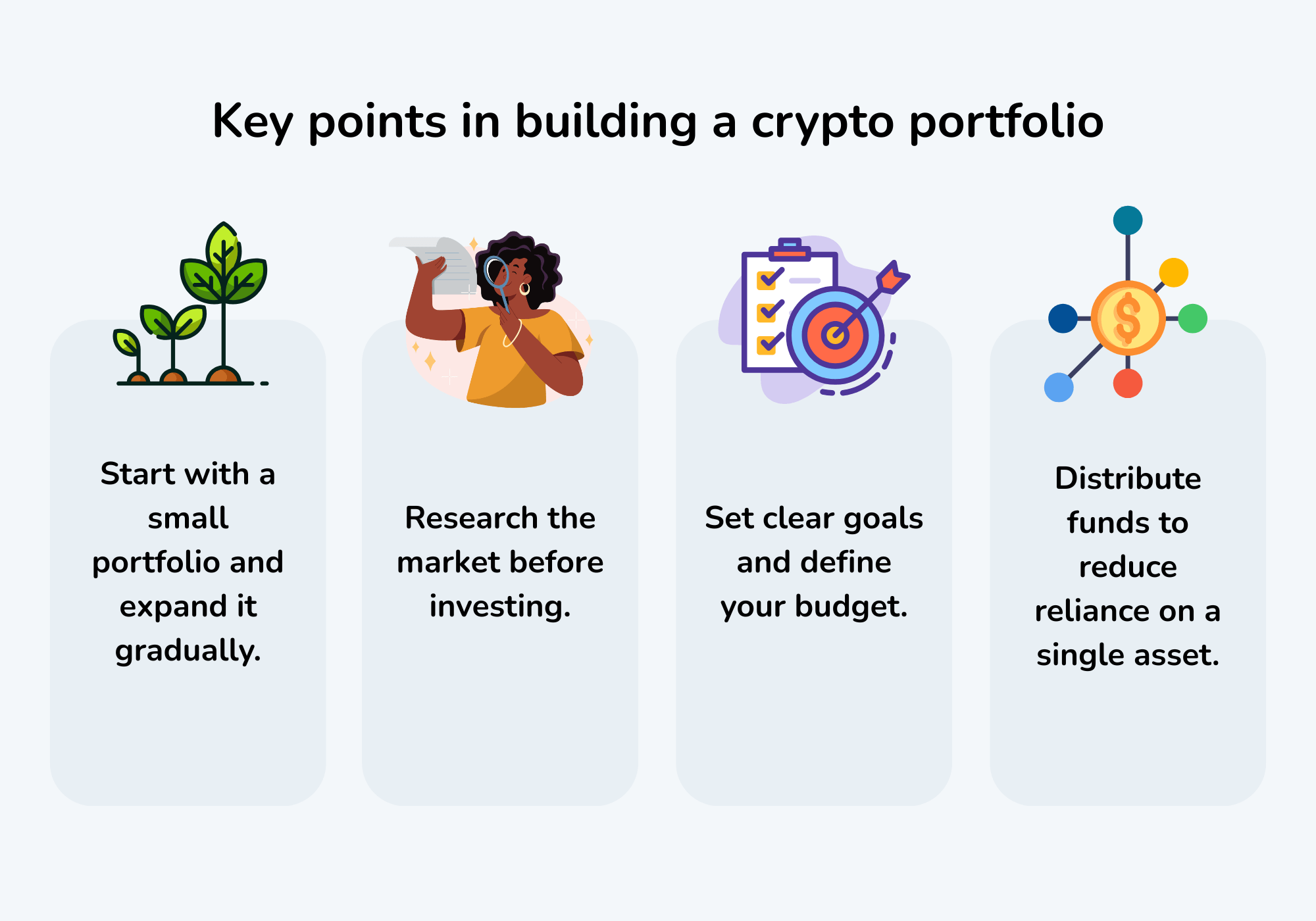
The main purpose of a portfolio is not simply buying cryptocurrencies but distributing funds in a way that reduces reliance on a single asset. If the price of one token drops, others can help maintain overall balance. This approach is known as diversification.
What does diversification really mean?
In short, diversification generally provides greater security. Even in a volatile market, losses from one asset can be offset by gains in another. The primary goal is therefore to reduce risks while simultaneously increasing the potential for significant long-term returns.
How to Build Your Own Crypto Portfolio
When building your own portfolio, it’s important not to rush or invest everything at once. It’s better to start with a small portfolio and gradually expand it as you gain experience. Don’t worry about large sums — you can begin with a modest amount.
Once you’ve decided to trade through the Bitcoin Store platform, the next step is to verify your account.
You’re only a few steps away from starting your own portfolio, all of which are explained in detail on our blog post: How To Verify Personal Account on Bitcoin Store - Complete Guide.
After completing the verification process, you can start trading. But before diving into the crypto market, here are a few important things you should keep in mind.
Market Research
Before investing, it’s essential to understand how the market works. Start by researching a specific cryptocurrency: learn why it was created, what problem it solves, and how its blockchain operates.
Most projects provide an official website, documentation (the so-called whitepaper), team information, and development history. While detailed information doesn’t guarantee success, it can help you assess how transparent and mature a project is.
Avoid making decisions based on other people’s opinions — invest according to your own research and analysis. The DYOR (Do Your Own Research) principle is more important today than ever before.
Defining Your Goals
A key step in investing in crypto is setting clear goals.
Some people want to try short-term trading, others aim to preserve part of their capital over the long run, while some plan to build financial security for the future. Your purpose will shape both your strategy and your choice of assets.
Regardless of the strategy you choose, you should only invest what you can afford to lose. This rule is essential both at the very beginning and later, as your portfolio grows.
Crypto Trends
Cryptocurrency markets are highly volatile and influenced by various factors such as regulatory changes, technological advancements, and macroeconomic trends.
When choosing assets, it’s crucial to account for this extreme volatility. The crypto market is known for sudden price swings, which bring not only significant risks but also opportunities for considerable profit.
Lack of knowledge often leads beginners to make costly mistakes — mistakes that can easily be avoided with the right approach. Learn more in our blog post: 5 Common Crypto Investing Mistakes And How to Avoid Them.
DCA (Dollar-Cost Averaging) Strategy
One of the most widely used strategies among both beginner and experienced investors is DCA (dollar-cost averaging).
This method involves investing a fixed amount in cryptocurrencies at regular intervals — for example, every week or month — regardless of whether the price is rising or falling.
By doing so, you reduce the impact of short-term market fluctuations, build investment discipline, and gradually grow your portfolio.
In addition, DCA can help you achieve a more favorable average purchase price over time and avoid the stress of trying to “time the market” perfectly.

Best Cryptocurrencies for Beginners
At the very beginning, many wonder where to even start, given that thousands of different cryptocurrencies are available.
The first step is usually to focus on assets with high market capitalization and liquidity. These are cryptocurrencies traded daily on almost every exchange, with years of presence and a proven track record.
For beginners, this means there’s no need to dive straight into unknown and riskier coins. Some of the most well-known and widely used cryptocurrencies include Bitcoin, Ethereum, Cardano, and Solana.
Example of Portfolio Allocation in Bitcoin Store Wallet
Let’s imagine you have €1,000 set aside that you want to invest in crypto.
The question arises: should you put everything into Bitcoin, or distribute part of it across other cryptocurrencies?
One possible approach might look like this:
50% Bitcoin (BTC) – considered the safest choice thanks to its long-term stability and global recognition.
30% Ethereum (ETH) – powering the entire DeFi and NFT ecosystem, often seen as the second most important cryptocurrency.
20% in established altcoins such as BNB, ADA, or SOL for additional growth and diversification, or in stablecoins for more flexibility and quicker market reactions.
Note: This allocation is purely illustrative. Everyone should adjust their portfolio according to their own risk tolerance, interests, and long-term goals.
Here’s what crypto enthusiasts on Reddit have to say about this topic:
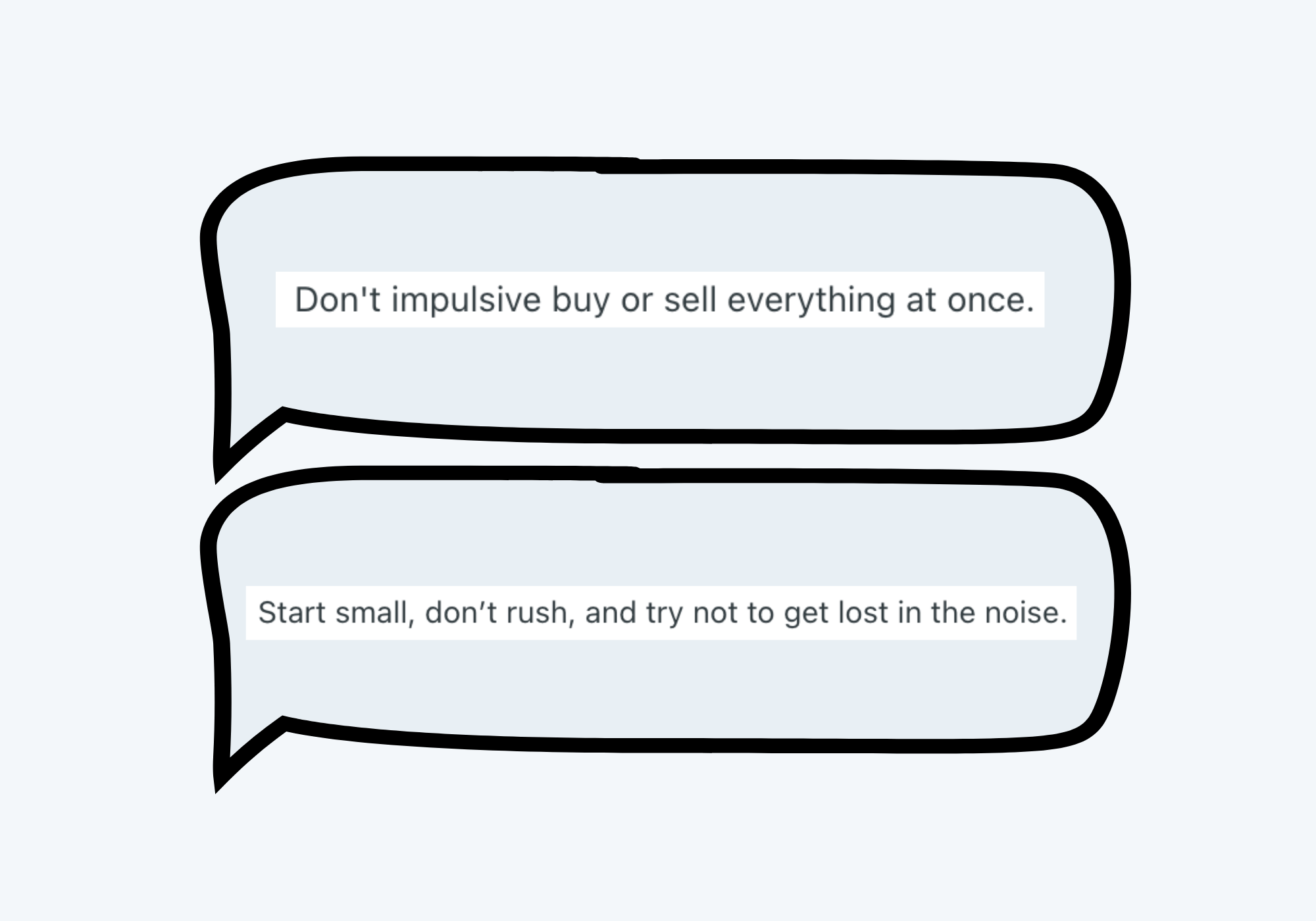
In short, both comments highlight the importance of discipline, patience, and risk management — the three key principles for every crypto investor.
Stay Informed and Make Your Investments Count
There is no universal formula for building the perfect portfolio — each investor must find a strategy that fits their goals and risk profile.
With a thoughtful approach, crypto can become a valuable addition to your financial future.
Ultimately, the most important thing is to invest responsibly, follow the market, and keep learning. This approach reduces risk and increases the chances of building a stable, balanced portfolio over the long term.
Disclaimer: Bitcoin Store is not a financial advisory company and is not authorized to provide investment or financial advice. Opinions, analyses, and other content on our website are for informational purposes only and should not be considered as a basis for making investment decisions. Trading cryptocurrencies involves speculation, and prices can fluctuate rapidly, which may potentially lead to loss of investment. Before investing in cryptocurrencies, always seek independent advice and make sure you fully understand the risks associated with this type of financial instrument.